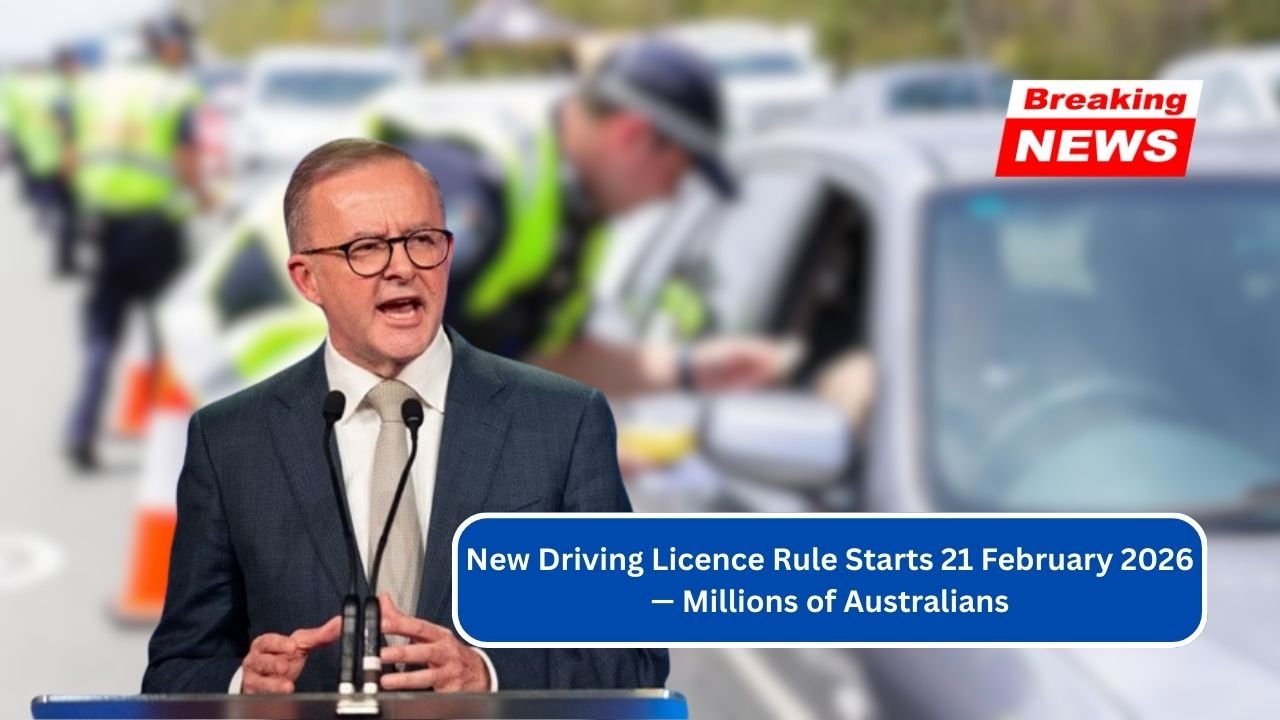
Australia’s driving licence system is set for a major update from 21 February 2026, with new renewal timelines, medical reporting requirements and digital identity standards coming into effect across states and territories. Transport authorities say the changes are part of a broader road safety strategy designed to modernise compliance systems and reduce preventable crashes.
While not every driver will be affected, millions may need to renew earlier than expected. Older drivers, heavy vehicle licence holders and those with certain medical conditions are likely to see the most significant adjustments.
Here’s what the 2026 licence changes mean and what drivers should do now to prepare.
Why the Rules Are Changing
The update aligns with Australia’s National Road Safety Strategy 2021–2030, which aims to halve road deaths by the end of the decade. More than 1,250 fatalities were recorded on Australian roads in 2024, reinforcing the urgency for reform.
Authorities say improved licence monitoring, clearer medical standards and better digital identity systems will help ensure all drivers meet current safety requirements.
A transport department spokesperson said the changes are about maintaining consistent health and identity standards across the country, not penalising drivers.
What Happens on 21 February 2026
From this date, several reforms will begin rolling out across state transport departments. While exact rules vary by state, common changes include:
Shorter renewal cycles for older drivers
Earlier renewal notifications
Stronger medical reporting standards
Mandatory online identity verification in some cases
New digital driver licence compatibility standards
Earlier renewal windows for licences close to expiry
The most noticeable shift is that certain drivers will no longer be eligible for long renewal periods and may need to undergo more frequent checks.
Who May Need to Renew Early
Drivers likely to be affected include:
People aged 75 and over
Heavy vehicle licence holders
Drivers with specified medical conditions
Licence holders who have not updated digital identity verification
Drivers issued licences before digital photo upgrades
In several states, drivers aged 75–84 may move from five-year renewals to annual or biennial renewals with medical clearance. Drivers aged 85 and over are expected to undergo yearly medical reviews in most jurisdictions.
Authorities emphasise that the changes focus on medical fitness rather than imposing strict age cut-offs.
What the New Renewal Structure Looks Like
Below is a simplified overview of how renewal rules may shift under the 2026 updates. Exact details vary by state.
Type of Driver | Before 21 Feb 2026 | From 21 Feb 2026
Under 75 | 5–10 year renewal | Earlier renewal notice (up to 6 months prior)
75–84 | Up to 5-year renewal in some states | Annual or biennial renewal with medical check
85 and older | Renewal every 1–2 years | Annual renewal with medical clearance
Heavy vehicle drivers | Standard renewal cycle | Possible stricter monitoring
Pre-2015 licence holders | Standard expiration | May require updated photo ID or digital verification
Most drivers under 75 will see minimal change beyond earlier renewal reminders and stronger online identity requirements.
Are Medical Tests Becoming Harder?
Medical assessments are not necessarily becoming stricter, but standards are being clarified and applied more consistently nationwide.
Conditions that may require medical clearance include:
Vision impairment
Epilepsy
Heart disease
Insulin-treated diabetes
Cognitive conditions
Doctors will continue to follow national fitness-to-drive guidelines when determining eligibility. Health advisors stress that the aim is to ensure drivers can operate vehicles safely, not remove licences unfairly.
What About Digital Driver Licences?
Digital licences are now available in several states via official apps. From February 2026:
Some renewals may require digital identity confirmation
Older photo cards may need replacement
Security protections against identity theft will increase
Drivers who do not use smartphones can continue using physical licences but may need to update to newer photo identification formats.
The push toward digital interoperability aims to ensure licence data works seamlessly across state systems.
Consequences of Missing the New Renewal Deadline
Failing to renew under the new rules could result in:
Automatic licence suspension
Fines for driving while unlicensed
Insurance complications if involved in an accident
Higher penalties in some states exceeding $1,000
Transport authorities warn that ignoring renewal notices could lead to automatic system suspensions. Early action is strongly recommended.
Why Senior Drivers Are Central to the Reform
Australia’s ageing population means there are more drivers over 75 than ever before, with numbers projected to double by 2040. Many senior drivers maintain excellent safety records. However, research shows that reaction time, vision and certain health risks increase with age.
Road safety experts argue that periodic medical screening balances independence with public safety.
Laura Bennett, a road safety analyst, explains that driving represents freedom for many seniors, but structured health checks can prevent avoidable accidents.
Will Younger Drivers Be Affected?
Most drivers under 75 will not experience major renewal cycle changes. However, they may notice:
Earlier renewal reminders
Mandatory online identity verification
Stricter penalties for expired licences
Online address update requirements in some states
The goal is to modernise compliance systems for all drivers, not just seniors.
What Drivers Should Do Before 21 February 2026
To avoid disruption, drivers should:
Check their licence expiry date
Confirm their age-based renewal requirements
Update contact details with their state transport authority
Book medical appointments early if required
Monitor official renewal notices by mail or email
Taking action well before February 2026 reduces the risk of suspension or last-minute stress.
Key Takeaways
The new licence rules begin 21 February 2026 across Australia.
Older drivers will face shorter renewal cycles and more frequent medical reviews.
Digital identity verification standards are expanding.
Missing renewal deadlines may lead to suspension and fines.
Most drivers under 75 will see limited changes beyond earlier reminders.
The 2026 reforms represent one of the most significant licence updates in recent years. While adjustments may feel inconvenient for some drivers, authorities maintain the changes are designed to strengthen road safety and modernise Australia’s licensing system for the future.