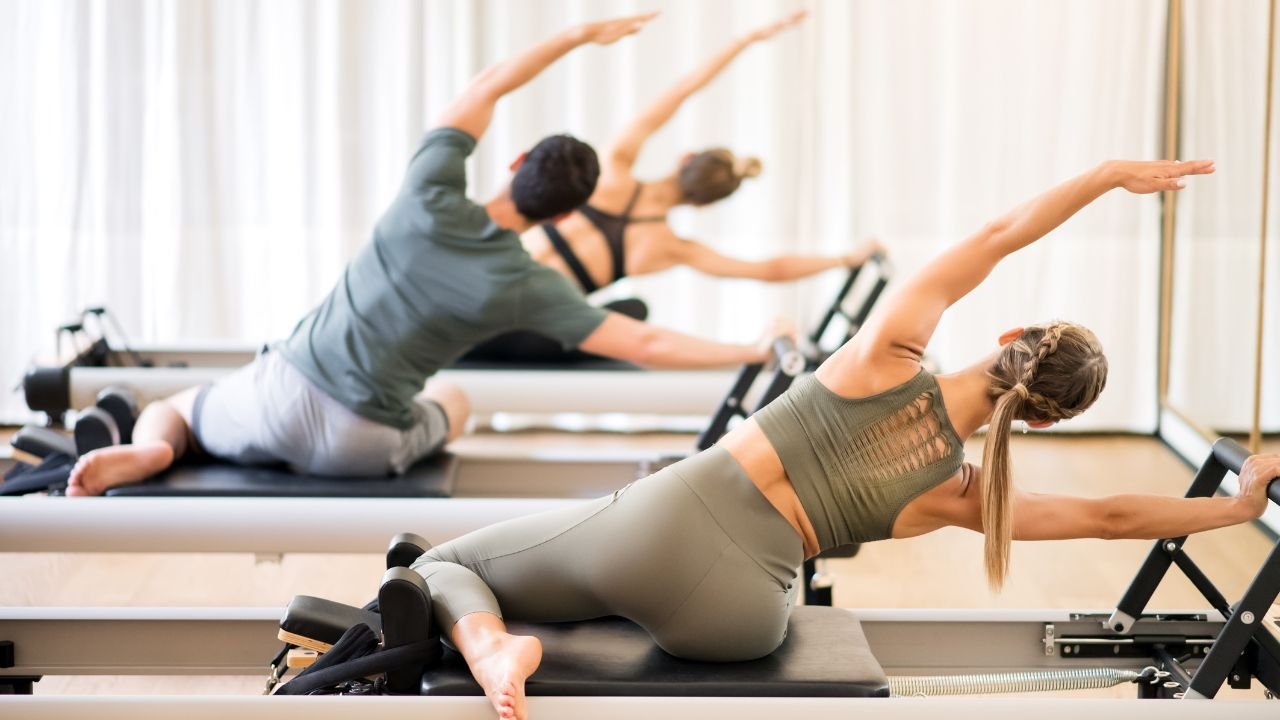
Stress doesn’t just live in your head. It settles into your shoulders, tightens your jaw, shortens your breath, and keeps your nervous system stuck in “go” mode. Yoga helps because it works on the same levers stress pulls: breathing, muscle tension, heart rate, and attention. The most effective stress-relief yoga isn’t necessarily the hardest or sweatiest. It’s the kind that signals safety to your body, slows the exhale, and releases the places you unconsciously brace.
Below are five powerful, beginner-friendly yoga poses that reduce stress and promote deep relaxation. You can do them as a short sequence in 12–20 minutes, or pick one pose whenever your mind feels noisy. You won’t need fancy flexibility, just steady breathing and a willingness to soften.
Meta title
5 Powerful Yoga Poses for Stress Relief and Relaxation (Quick Daily Routine)
1) Child’s Pose (Balasana)
Child’s Pose is a classic reset for overwhelm. It gently rounds the spine, relaxes the shoulders, and encourages slower breathing by giving the belly and ribs something to press into. That tactile feedback naturally reduces “upper chest” breathing, which is common during anxiety.
How to do it
Kneel on the floor, bring big toes together, and separate knees comfortably. Fold forward, resting your torso between your thighs. Stretch your arms forward or place them alongside your body. Let your forehead rest down.
Stress-relief tips
Breathe in through the nose for 4 counts and exhale for 6–8 counts. Longer exhales help your body shift toward relaxation. If your hips don’t reach your heels, place a pillow or folded blanket between calves and thighs. If your forehead doesn’t reach the floor, stack fists or use a cushion.
Hold for 60–120 seconds.
2) Legs Up the Wall (Viparita Karani)
This is one of the most reliable poses for mental fatigue, restlessness, and end-of-day tension. It’s a gentle inversion that can ease swelling in tired legs and encourages a quieter heart rhythm. It’s also ideal when you’re too drained to “do” yoga.
How to do it
Sit sideways next to a wall with one hip close to it. Swing your legs up as you lower your back to the floor. Your sit bones can be right against the wall or a few inches away, whichever feels better. Let your arms rest by your sides, palms up.
Stress-relief tips
Place a folded blanket under your hips for a supported version. If hamstrings feel tight, slide your hips slightly away from the wall so knees can soften. Keep your face and throat relaxed, and allow the breath to become quiet.
Hold for 3–10 minutes.
3) Cat–Cow (Marjaryasana–Bitilasana)
Stress often shows up as stiffness in the upper back and shallow breathing. Cat–Cow is a simple movement practice that mobilizes the spine and coordinates breath with motion. This rhythm can reduce agitation and help you feel “back in your body,” especially after long screen time.
How to do it
Come onto hands and knees with wrists under shoulders and knees under hips. Inhale, drop the belly, lift the chest and tailbone (Cow). Exhale, round the spine, tuck the tailbone, and gently draw the navel in (Cat).
Stress-relief tips
Move slowly, letting the breath lead. On the exhale, imagine releasing tension from the base of the skull and between the shoulder blades. Keep your elbows soft so the shoulders don’t creep up toward your ears.
Do 8–12 slow rounds.
4) Standing Forward Fold (Uttanasana)
Forward folds are calming because they quiet visual stimulation and gently lengthen the back body, where many people hold stress. Done thoughtfully, this pose can feel like a “pressure release valve” for the nervous system.
How to do it
Stand with feet hip-width. Bend your knees generously and hinge forward from the hips. Let your head hang heavy. Rest hands on the floor, on blocks, or hold opposite elbows.
Stress-relief tips
Keep knees bent to protect the low back and hamstrings. Shift weight slightly toward the balls of the feet and let the back of the neck soften. Take slow breaths and on each exhale, let the shoulders drop away from the ears.
Hold for 45–90 seconds.
5) Reclining Bound Angle Pose (Supta Baddha Konasana)
This pose is excellent for emotional stress and “wired but tired” evenings. It opens the hips gently and supports deep belly breathing, which signals safety to the nervous system. It’s also a great alternative to seated meditation when your mind won’t settle.
How to do it
Lie on your back. Bring the soles of your feet together and let your knees fall open. Place one hand on the belly and one on the chest.
Stress-relief tips
Support your knees with pillows or folded blankets so the hips can fully relax. If the lower back feels arched, place a small rolled towel under the knees or keep feet slightly farther from the pelvis. Breathe into the lower hand and soften the jaw.
Hold for 2–5 minutes.
A simple 15-minute stress-relief sequence
If you want a quick routine you can repeat daily, try this:
Cat–Cow: 1–2 minutes
Child’s Pose: 2 minutes
Standing Forward Fold: 1 minute
Legs Up the Wall: 6–8 minutes
Reclining Bound Angle: 3–4 minutes
The real power comes from consistency. Even 10 minutes a day trains your body to recover faster from stress. Think of these poses as a nervous system toolkit: each one brings you back to steadier breathing, softer muscles, and a calmer mind.
Safety notes
If you have uncontrolled high blood pressure, glaucoma, vertigo, or certain heart conditions, skip long inversions or keep Legs Up the Wall brief and gentle. If you’re pregnant, practice with supportive props and consider guidance from a qualified prenatal yoga teacher. Pain is a stop signal. You should feel stretching, warmth, and ease, not sharp discomfort.
When stress spikes, your brain looks for solutions in thought. Yoga offers something more direct: a physical message to your system that you are safe right now. Start with one pose today, breathe slowly, and let your body do what it’s designed to do when given the chance: settle.
If you want, tell me your age range and whether your stress is more mental (overthinking) or physical (neck, back, sleep), and I’ll tailor a tighter routine (10 minutes) around your situation.