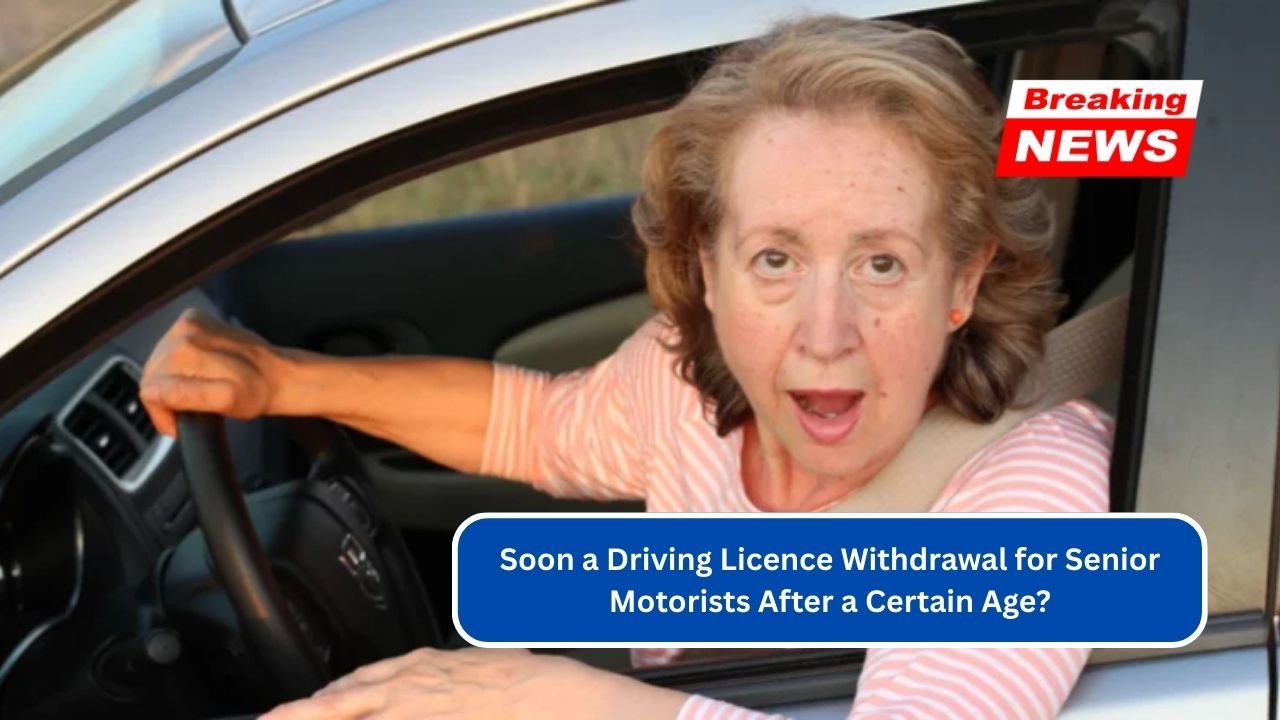
Across many countries, the question of whether older motorists should face age-specific driving restrictions has shifted from a quiet concern to a major public policy discussion. Driving is not simply a method of getting from one place to another; for seniors, it symbolizes autonomy, social connection and the ability to manage daily life without relying on others. As populations grow older and road networks become more complex, governments are reconsidering how to balance safety with personal freedom.
Why Senior Driving Standards Are Under Increased Scrutiny
The aging population is large, mobile and more active than previous generations. Many people in their seventies and eighties continue to lead independent lives and maintain strong cognitive health. At the same time, road safety data reveals a nuanced reality. Older drivers are typically involved in fewer accidents than younger groups, yet when crashes occur, the consequences tend to be more severe due to physical vulnerability and slower recovery times. Busy intersections, rapid traffic patterns and night driving present heightened challenges.
Policymakers face pressure from two sides. On one hand, there is a clear responsibility to protect all road users. On the other, there is growing recognition that age alone is not a reliable measure of driving competence. This tension is shaping discussions about whether age-based licence withdrawal is appropriate—or whether a more sophisticated, individualised model is needed.
How Aging Impacts Driving Skills
Driving demands coordination between sensory perception, cognitive processing and physical response. Aging affects these systems differently from person to person, yet several trends are widely acknowledged.
Vision changes occur gradually, making it harder to identify road signs, distinguish lane markings or react quickly in dim light. Reaction times slow, especially in unexpected situations, which can lengthen braking distances. Cognitive changes may influence decision-making and the ability to handle multiple stimuli simultaneously, such as monitoring traffic, reading navigation cues and adjusting to changing road conditions.
Medication is often an overlooked variable. Many seniors manage health conditions using prescriptions that may cause drowsiness or delayed reactions, even in small doses. Because these changes typically develop slowly, drivers may be unaware that their abilities have shifted, while family members or health professionals notice clear signs of decline.
Why Experts Reject a Strict Age Limit
Despite persistent calls for mandatory licence withdrawal at a certain age, road safety researchers increasingly argue against fixed age limits. Their reasoning is simple: individuals age differently. A senior with excellent health, sharp reflexes and no medical restrictions may be significantly safer behind the wheel than a younger driver who is distracted, fatigued or under the influence of medication.
For this reason, many experts now advocate for functional assessments instead of age-based rules. These evaluations measure practical skills rather than relying on assumptions. Vision tests, medical screenings and on-road assessments provide a clearer picture of a person’s driving capability. This approach respects the diversity of aging and offers a more balanced solution.
Adaptive Driving Strategies for Seniors
A functional approach also allows for tailored recommendations. Instead of removing a licence outright, health professionals may advise adjustments that keep seniors safe without cutting off their independence. These could include avoiding nighttime driving, limiting travel to familiar areas or using vehicle safety features that compensate for slower reaction times.
Modern vehicles now offer a range of supportive technologies—automatic emergency braking, lane-keeping assistance, blind-spot monitoring and adaptive cruise control. For seniors who meet safety standards but experience minor challenges, these tools can extend safe driving years without increasing risk.
Navigating Family Conversations About Driving
Few issues create more emotional strain in families than discussing whether an older relative should reduce or stop driving. For many seniors, such conversations feel like a direct threat to independence and identity. For adult children, the concern is rooted in genuine fear for safety.
Constructive conversations focus on specific observations rather than age-based assumptions. Warning signs may include getting lost on familiar routes, small accidents or scrapes, misjudging gaps in traffic or showing signs of increased stress behind the wheel. When families rely on facts instead of emotion, seniors are more likely to listen and participate in decision-making.
In cases of disagreement, involving a neutral health professional or occupational therapist can help frame the discussion around objective assessments rather than family pressure.
Life After Driving: Maintaining Mobility and Social Connection
One of the biggest risks of driving cessation is isolation. Without reliable transportation, seniors are more likely to miss medical appointments, withdraw from community activities and experience declining mental health. For this reason, communities are expanding mobility alternatives to support aging populations.
Solutions include senior-friendly public transport routes, subsidised ride services, community shuttle programs and volunteer driver initiatives. Planning for alternative transportation early—before driving becomes unsafe—helps seniors maintain independence and reduces the emotional impact of transitioning away from the driver’s seat.
Technology’s Role in the Future of Senior Mobility
Advancements in automotive technology are reshaping what senior mobility may look like in the coming decades. Features that reduce cognitive and physical load are already common, and rapid progress in autonomous driving promises long-term transformation. While fully self-driving vehicles are not yet mainstream, their development points to a future in which seniors can remain mobile long after traditional driving becomes unsafe.
Conclusion
Debates about withdrawing driving licences for seniors cannot be resolved with a simple age cutoff. The real solution lies in personalised assessments, respectful communication and proactive planning. Safety remains a priority, but independence and dignity must also be protected. With the right balance of evaluation, support and technology, older adults can continue participating fully in their communities while ensuring safer roads for everyone.