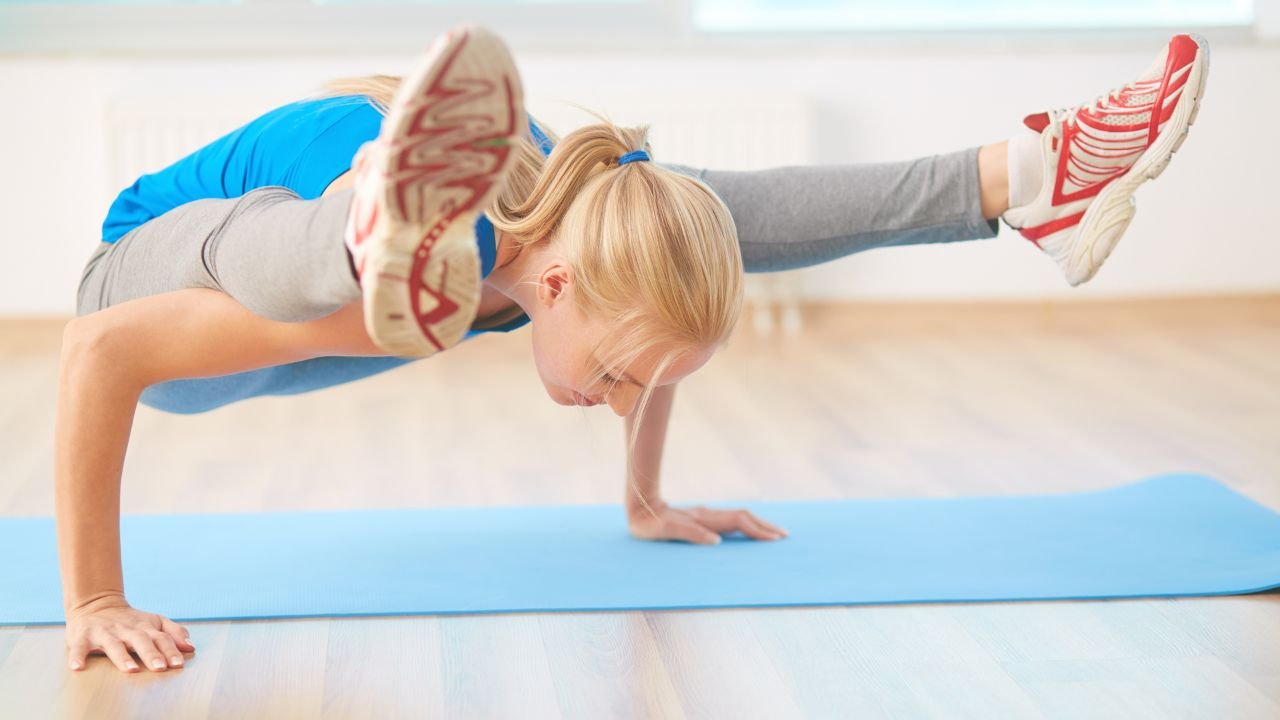
Daily yoga does not require lengthy studio classes or advanced postures to create meaningful change. A focused session lasting 15 to 25 minutes can support flexibility, posture, strength, and mental clarity when practiced consistently. The true effectiveness of yoga lies in repetition and awareness rather than intensity or duration. Showing up each day, even briefly, builds momentum and reinforces healthy movement patterns.
Modern routines often include extended sitting, screen exposure, and mental fatigue. A concise yoga sequence helps counter these habits by mobilizing the spine, activating stabilizing muscles, and encouraging steady breathing. Research reviews suggest yoga may offer modest benefits for managing stress and chronic low back discomfort, particularly when practiced regularly. While outcomes differ from person to person, steady engagement tends to produce better results than occasional effort.
A short, realistic routine lowers resistance and increases the likelihood that yoga becomes a daily habit rather than an occasional activity.
How Can You Make a 15–25 Minute Routine Sustainable?
Sustainability begins with keeping expectations practical. Limiting your session to 15 to 25 minutes makes it easier to repeat consistently. This timeframe is long enough to feel purposeful yet manageable within busy schedules.
Start by holding each posture for 15 to 20 seconds. Gradually increase to 30 to 60 seconds as comfort and strength improve. Breathe through your nose if it feels natural and steady. If breathing becomes strained, shorten the hold or reduce intensity.
Yoga complements overall movement goals, but it works best alongside walking, strength training, or other forms of physical activity during the week. Most importantly, focus on consistency rather than perfection. A simple routine done daily produces more progress than an elaborate sequence practiced sporadically.
What Makes Mountain Pose an Essential Starting Point?
Tadasana, or Mountain Pose, may appear basic, yet it establishes alignment and awareness. Standing upright with intention activates postural muscles that often weaken from prolonged sitting.
Stand with feet hip width apart and distribute weight evenly across both feet. Spread the toes, gently lift through the kneecaps, lengthen the spine, and relax the shoulders downward. Take five slow breaths while maintaining steady balance.
This posture trains you to recognize neutral alignment. By beginning here, you reset posture before movement begins and build a stable foundation for the poses that follow.
How Does Cat–Cow Improve Spinal Mobility?
Cat–Cow introduces controlled movement to the spine. Alternating between gentle extension and flexion increases circulation around the vertebrae and reduces stiffness caused by desk work or inactivity.
Position yourself on hands and knees with wrists under shoulders and knees under hips. Inhale as you lift the chest and tailbone. Exhale as you round the back and draw the abdomen inward. Continue slowly for six to ten rounds.
Rather than swinging the torso, focus on articulating each segment of the spine. This mindful motion enhances awareness and prepares the back for deeper stretches and strengthening postures.
Why Is Downward Facing Dog a Key Strength Builder?
Downward Facing Dog strengthens the shoulders while lengthening the entire back body. From hands and knees, tuck your toes and lift the hips upward. Slightly bend the knees if the hamstrings feel tight. Press firmly through the palms and keep the spine long.
Hold for five steady breaths. The objective is stability and extension, not forcing the heels toward the floor. This pose builds upper body endurance and gently decompresses the spine after forward rounding.
What Does Sun Salutation Add to a Daily Routine?
Sun Salutation connects breath with movement in a rhythmic flow. A single round may include standing upright, folding forward, lifting halfway, stepping into plank, lowering gradually, lifting into Cobra, moving into Downward Dog, and returning to standing.
Complete three to five rounds at a controlled pace. Let each inhale and exhale guide your transitions. This flowing sequence warms the muscles, improves coordination, and increases circulation without requiring high intensity.
The repetition also encourages mental focus, helping shift attention away from daily distractions.
How Do Warrior II and Triangle Build Functional Strength?
Warrior II develops leg endurance and hip stability. Step the feet wide, turn the front foot outward, and bend the front knee so it stacks over the ankle. Extend the arms parallel to the floor and gaze over the front hand. Hold for five to eight breaths before switching sides.
This posture strengthens the quadriceps and gluteal muscles, which support everyday movements like climbing stairs and standing from a seated position.
Triangle Pose complements Warrior II by introducing lateral flexibility. From a wide stance, straighten the front leg, hinge forward, and lightly rest the lower hand on the shin or a block. Extend the upper arm upward while keeping both sides of the torso long. Hold for five breaths on each side.
Together, these poses enhance balance, stability, and spatial awareness.
How Do Cobra and Bridge Counteract Sitting?
Cobra gently strengthens the upper back and counters forward rounding of the shoulders. Lie face down with hands beneath shoulders and elbows close to the ribs. Press lightly into the palms and lift the chest while keeping the pelvis grounded. Hold for three to five breaths without compressing the lower back.
Bridge activates the glutes and supports hip extension. Lying on your back with knees bent and feet under knees, press through the feet and lift the hips. Keep the knees parallel and breathe steadily for five to eight breaths.
These backbends help restore muscular balance after long hours spent seated.
Why Include a Twist and Final Rest?
A seated spinal twist maintains rotational mobility. Sit upright, cross one foot over the opposite leg, and rotate gently from the ribcage toward the bent knee. Keep the spine tall and hold for several breaths before switching sides. Move gradually and avoid forcing depth.
End with Savasana. Lie flat on your back with arms relaxed and palms open. Allow the feet to fall outward naturally. Remain still for two to five minutes, softening the jaw, shoulders, and abdomen.
This final rest encourages the nervous system to shift toward recovery mode and integrates the benefits of the entire session.
How Can You Practice Safely and Consistently?
If you experience low back sensitivity, keep knees slightly bent during forward folds and prioritize spinal length. Persistent pain radiating down the leg or accompanied by numbness requires medical evaluation. For wrist discomfort, reduce time in weight bearing positions. If dizziness occurs, transition slowly and avoid holding your breath.