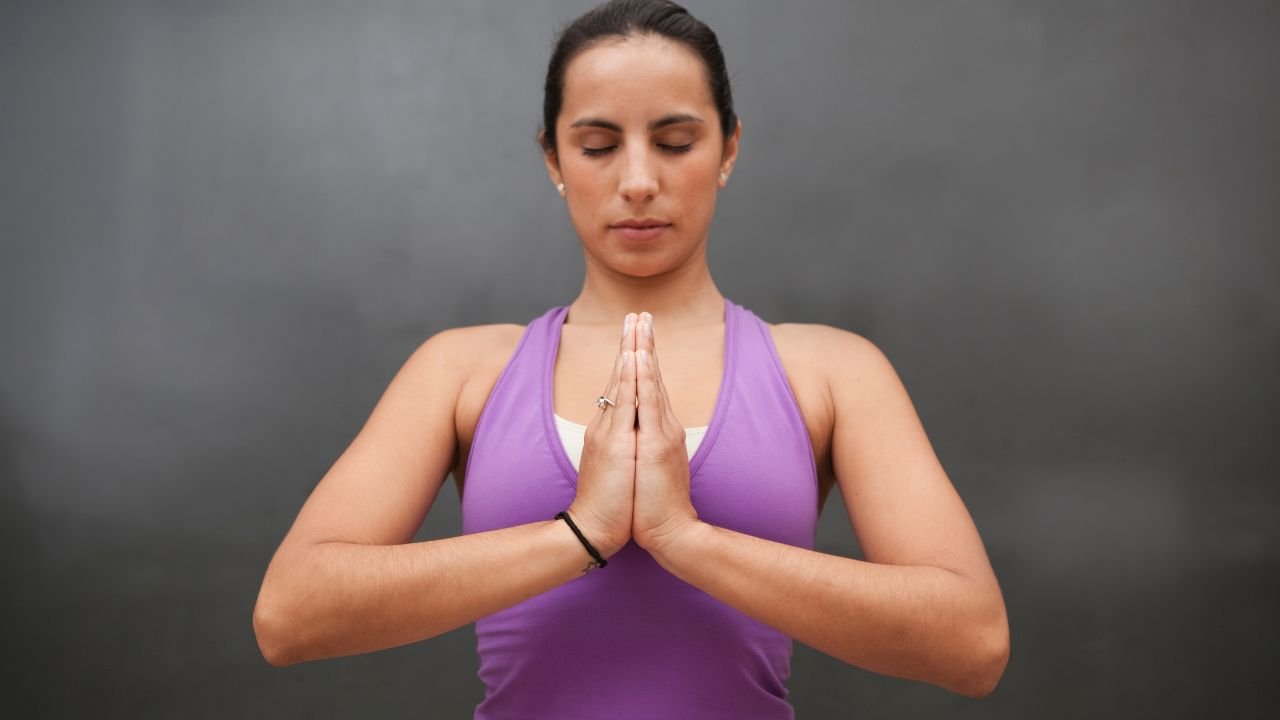
Yoga is often associated with flexibility and stress relief, but its benefits extend far beyond that. For women, certain yoga asanas can gently support breast health by improving circulation, stimulating lymphatic drainage, enhancing posture, and strengthening the upper body. While no exercise can prevent breast disease on its own, consistent mindful movement can encourage tissue nourishment, immune efficiency, and reduced muscular tightness in the chest and shoulder region.
Breast tissue itself does not contain muscle, but it lies over the pectoral muscles and is surrounded by lymph nodes, connective tissue, fascia, and blood vessels. When posture collapses or muscles tighten due to long hours of sitting, stress, or lack of movement, circulation may become less efficient. Yoga offers a holistic way to open the chest, improve breathing patterns, and support overall well-being.
Below are five effective yoga poses women can explore safely, along with their practical benefits and step-by-step guidance.
1. Balasana (Child’s Pose)
Balasana is a foundational resting posture that encourages deep breathing and relaxation. Though gentle, it plays an important role in supporting upper-body circulation.
Benefits
Deep diaphragmatic breathing enhances oxygen delivery to tissues.
Calms the nervous system and reduces stress hormones.
Relieves tension in the upper back and shoulders that may restrict blood flow.
How to Practice
Kneel on the mat with toes touching and knees hip-width apart. Sit back on your heels and fold your torso forward. Extend your arms in front of you or rest them alongside your body. Allow your forehead to touch the mat or a cushion. Breathe slowly into the back ribs for 5 to 10 breaths.
This pose is especially beneficial at the beginning or end of a practice to encourage relaxation and improve chest mobility indirectly through breath awareness.
2. Virabhadrasana II (Warrior II)
Virabhadrasana II is a strong standing posture that expands the chest and activates the entire upper body.
Benefits
Opens the chest and stimulates circulation through the armpit and breast area.
Strengthens shoulders and upper back muscles that support posture.
Enhances breath capacity and body awareness.
How to Practice
Stand with feet wide apart. Turn your right foot outward and bend the right knee directly above the ankle. Extend both arms parallel to the floor, palms facing down. Draw the shoulder blades gently back without lifting the shoulders. Hold for several steady breaths before switching sides.
Maintaining upright posture in this pose helps counteract the rounded shoulder position that can restrict chest expansion.
3. Ardha Matsyendrasana (Half Lord of the Fishes Pose)
This seated twist promotes gentle compression and release through the chest and upper torso.
Benefits
Encourages healthy lymphatic flow in the chest and back.
Stretches shoulders, neck, and spine.
Supports spinal strength and posture alignment.
How to Practice
Sit with legs extended. Bend your right knee and place the right foot outside the left thigh. Twist your torso toward the right, placing your left elbow outside the right knee and your right hand behind you. Lengthen the spine as you inhale and deepen the twist gently on the exhale. Repeat on the opposite side.
Twisting movements can stimulate circulation and help maintain mobility in the upper body.
4. Gomukhasana (Cow Face Pose)
Gomukhasana provides a deep stretch to the chest and shoulder girdle through its distinctive arm bind.
Benefits
Stretches tight pectoral muscles.
Improves flexibility of the shoulder joints.
Encourages lymphatic stimulation around the armpit region.
How to Practice
Sit comfortably with knees stacked if possible, or simply cross-legged. Raise your right arm overhead and bend the elbow, reaching down your back. Bring your left arm behind from below and attempt to clasp fingers. Use a strap if needed. Keep the chest lifted and breathe evenly before switching sides.
This pose is particularly helpful for women who spend extended hours working at a desk.
5. Matsyasana (Fish Pose)
Matsyasana is a powerful chest-opening posture that counters forward-rounded posture.
Benefits
Expands the rib cage and chest muscles.
Improves lung capacity and breathing efficiency.
Promotes circulation around the breast region.
How to Practice
Lie on your back with legs extended. Slide your hands under your hips, palms down. Press into your forearms and lift your chest upward, gently arching the upper back. Allow the crown of the head to lightly touch the floor without bearing weight. Hold for several breaths before slowly lowering.
This pose is especially beneficial after prolonged sitting or computer work.
Why These Asanas Support Women’s Wellness
Breast tissue is closely connected to lymphatic pathways located in the armpits and chest. The lymphatic system does not have a pump like the heart; it relies on movement and muscle contraction to circulate fluid effectively. Gentle stretching, chest expansion, and arm engagement can encourage this natural flow.
Additionally, posture plays a significant role. Rounded shoulders may compress the chest area and limit breathing capacity. By strengthening upper-back muscles and opening the front body, yoga encourages alignment that supports tissue comfort and circulation.
Modern research consistently highlights yoga’s role in reducing stress, improving quality of life, and supporting physical wellness. Lower stress levels are linked to better immune balance and hormonal regulation, both important components of overall health.
Integrating Yoga into a Healthy Routine
A simple 15-minute routine performed three to four times per week can provide noticeable benefits. Pair yoga with regular breast self-awareness practices and scheduled medical screenings for a comprehensive approach to care. Women recovering from surgery or managing medical conditions should seek professional guidance before beginning a new routine.
Key Takeaways
Chest-opening poses enhance circulation and lymphatic movement.
Improved posture reduces muscular tension in the upper body.
Breath-focused yoga lowers stress and supports immune health.
Consistent practice is more effective than occasional intense sessions.
Yoga complements medical care but does not replace professional screening.
Supporting breast health involves a holistic approach that includes movement, awareness, stress management, and routine checkups. Thoughtful yoga practice offers a gentle yet powerful way to nurture the body and promote long-term well-being.