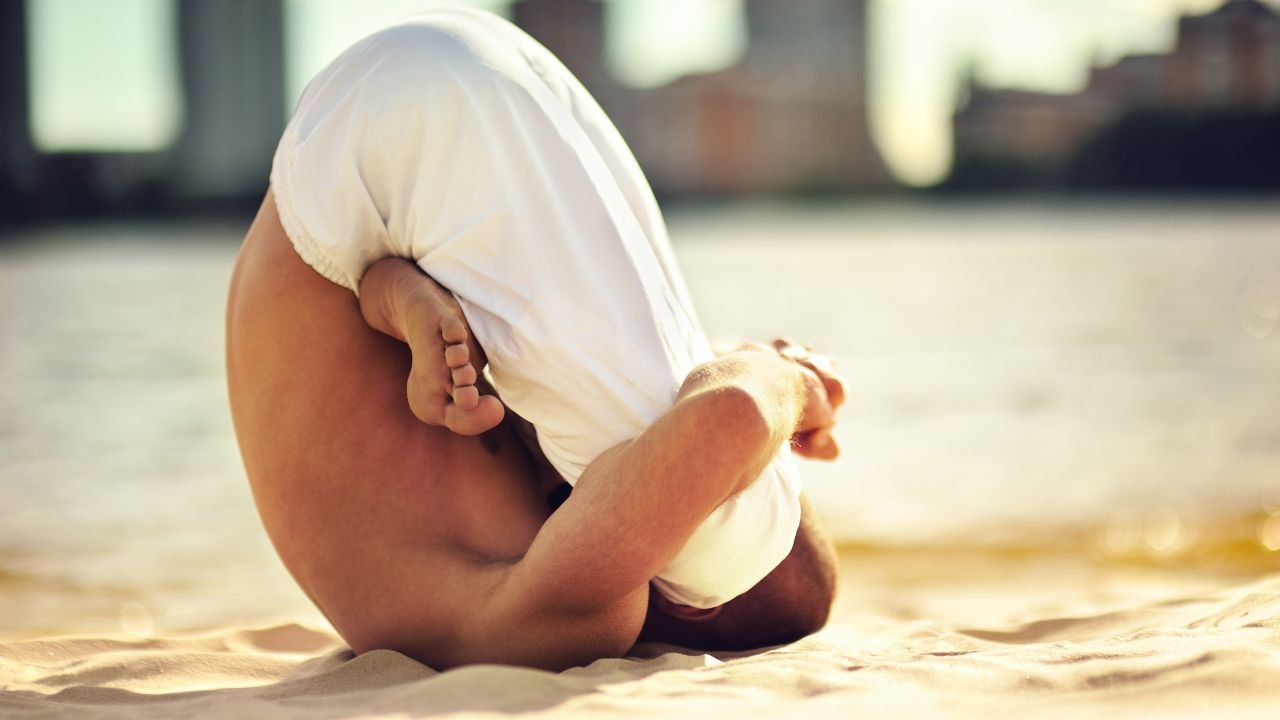
Modern lifestyles often demand long hours at desks, in cars, or on couches. While this routine may feel unavoidable, the physical consequences are not. Extended sitting shortens hip flexors, weakens glute muscles, tightens inner thighs, and reduces joint mobility. Over time, this imbalance can contribute to poor posture, restricted movement, and nagging lower-back discomfort.
When you sit for prolonged periods, muscles such as the iliopsoas, rectus femoris, adductors, and deep hip rotators remain in a shortened position. The body adapts to that posture, gradually reducing flexibility and altering alignment. Yoga offers a safe, low-impact solution to gently stretch, strengthen, and reawaken these areas. With consistent practice, hip mobility can improve, circulation can increase, and daily movement can feel easier.
Below are seven effective yoga poses designed to counteract desk fatigue and restore hip comfort.
1. Low Lunge (Anjaneyasana)
Low Lunge is one of the most efficient stretches for tight hip flexors. Because sitting keeps the hips flexed, these muscles often become stiff and resistant to extension.
How to practice
Start in a kneeling position. Step one foot forward, keeping the front knee stacked above the ankle. Gently shift your hips forward while keeping your torso upright. You should feel a stretch along the front of the back hip. Hold for 30 to 60 seconds before switching sides.
Why it helps
This pose lengthens shortened hip flexors and activates the glutes, restoring balance between the front and back of the hips.
2. Pigeon Pose (Eka Pada Rajakapotasana)
Pigeon Pose deeply targets the outer hip and glute region, especially the piriformis muscle, which can tighten from prolonged sitting.
How to practice
From hands and knees, slide one knee forward toward your wrist and extend the opposite leg straight behind you. Lower your hips comfortably toward the mat. Stay upright or fold forward if comfortable. Hold for up to one minute per side.
Why it helps
Improves hip rotation, reduces outer-hip tightness, and may ease secondary lower-back strain.
3. Butterfly Pose (Baddha Konasana)
Butterfly Pose gently opens the inner thighs and groin while encouraging healthy hip joint mobility.
How to practice
Sit tall on the floor and bring the soles of your feet together. Allow your knees to relax outward. Hold your feet and maintain an upright spine. You may gently move your knees up and down for dynamic mobility. Stay for 30 to 60 seconds.
Why it helps
Releases tight adductors and improves circulation around the hip joint, making it beginner-friendly and accessible.
4. Happy Baby (Ananda Balasana)
This supine pose combines hip opening with gentle spinal release.
How to practice
Lie on your back and draw your knees toward your armpits. Hold the outer edges of your feet or your shins. Keep your lower back relaxed against the floor. Breathe slowly and evenly.
Why it helps
Encourages relaxation, gently stretches the hips and groin, and helps decompress the lower back after prolonged sitting.
5. Garland Pose (Malasana)
Garland Pose, a deep squat variation, restores a fundamental human movement pattern that sitting often limits.
How to practice
Stand with feet slightly wider than hip-width. Lower into a deep squat, bringing your palms together at your chest. Use your elbows to gently press your knees outward. Hold for 30 to 60 seconds.
Why it helps
Improves hip and ankle mobility, stretches the inner thighs, and supports healthier squat mechanics for daily activities.
6. Lizard Pose (Utthan Pristhasana)
Lizard Pose intensifies the hip-opening benefits of a lunge by targeting multiple muscle groups simultaneously.
How to practice
Step one foot outside your corresponding hand in a lunge position. Lower your hips toward the mat. Remain on your hands or lower onto your forearms if flexibility allows. Hold for 30 to 60 seconds per side.
Why it helps
Deeply stretches hip flexors, groin muscles, and hamstrings, gradually improving flexibility.
7. Reclined Figure-Four Stretch
This gentle supine stretch focuses on the outer hips and glutes without placing pressure on the knees.
How to practice
Lie on your back and cross one ankle over the opposite thigh. Thread your hands behind the uncrossed leg and gently pull it toward your chest. Hold for up to one minute before switching sides.
Why it helps
Targets the gluteal muscles and provides a safe, accessible release for desk workers experiencing stiffness.
Why These Poses Matter After Long Sitting
Prolonged sitting reduces blood flow and synovial fluid circulation within the hip joints. Limited movement can create stiffness that feels worse when standing or walking. Regular hip-opening yoga encourages improved circulation, helps lengthen shortened tissues, and reactivates underused muscles.
In addition to flexibility, posture benefits significantly. Tight hips can tilt the pelvis forward or backward, increasing strain on the lumbar spine. By restoring balanced mobility and strength, the body distributes load more evenly during daily movement.
Yoga also encourages mindful breathing. Deep, steady breathing enhances oxygen delivery and promotes nervous system relaxation, which can further reduce muscle tension.
A Simple 10-Minute Hip Mobility Flow
Butterfly Pose for 1 minute
Low Lunge for 1 minute each side
Pigeon Pose for 1 minute each side
Lizard Pose for 1 minute each side
Happy Baby for 1 minute
Garland Pose for 1 minute
Reclined Figure-Four for 1 minute each side
Practicing this sequence several times per week can gradually improve hip comfort and range of motion.
Key Takeaways
Sitting shortens hip flexors and weakens glutes, leading to stiffness and imbalance.
Targeted yoga poses gently stretch inner, outer, and front hip muscles.
Improved hip mobility supports better posture and reduces lower-back strain.
Short daily routines are more effective than occasional intense sessions.
Combining movement breaks during the day with yoga accelerates results.
Reclaiming hip mobility does not require advanced flexibility or complex routines. With steady practice and mindful movement, these yoga poses can help restore comfort, improve posture, and support long-term joint health—even in a desk-bound world.